And of Clay We Are We Created: A Comprehensive Exploration
Discover readily available resources, including a downloadable PDF version of Isabel Allende’s poignant story, offering convenient access to this impactful narrative for study and enjoyment․
Isabel Allende masterfully crafts a deeply moving tale in “And of Clay We Are Created,” a short story born from the harrowing reality of the 1985 Nevado del Ruiz volcanic eruption in Colombia․ The narrative transcends a simple recounting of events, delving into profound themes of life, death, and the human condition․
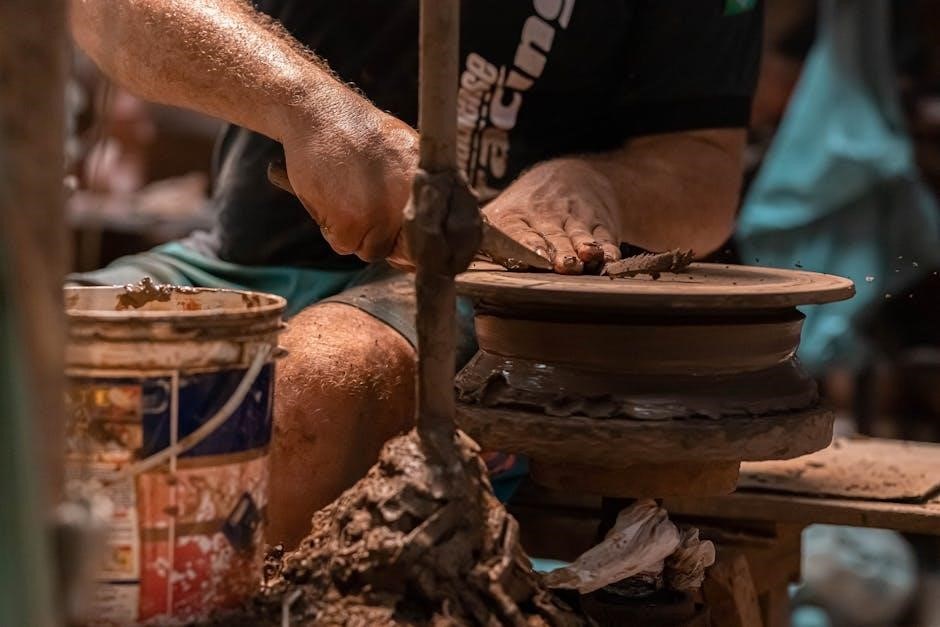
Readers can readily access the story in various formats, including a convenient PDF version available online, facilitating study and appreciation․ Allende’s work is celebrated for its blend of realism and magical elements, a hallmark of Latin American literature․ This particular story powerfully illustrates her ability to connect personal tragedy with broader societal and political contexts․ The story’s enduring impact lies in its exploration of empathy, responsibility, and the limitations of human intervention in the face of overwhelming natural forces․ It’s a story that continues to resonate with audiences globally․
II․ The Real-Life Inspiration: The Nevado del Ruiz Eruption (1985)
Isabel Allende’s “And of Clay We Are Created” is deeply rooted in the devastating 1985 eruption of the Nevado del Ruiz volcano in Colombia․ This catastrophic event triggered a massive lahar – a volcanic mudflow – that tragically buried the town of Armero, claiming over 25,000 lives․ The story, accessible as a PDF online, serves as a fictionalized response to this real-world tragedy․
Allende drew inspiration from the desperate rescue efforts and the heartbreaking stories of survivors, particularly the plight of children trapped in the mud․ The narrative isn’t a direct retelling of the Armero disaster, but rather a poignant exploration of the emotional and psychological impact of such a horrific event․ The story’s power lies in its ability to humanize the tragedy, focusing on the individual experiences of loss and resilience․ Understanding the historical context enhances the story’s emotional weight and thematic depth․
III․ Summary of “And of Clay We Are We Created”
Isabel Allende’s short story follows Rolf Carlé, a Chilean reporter assigned to cover the aftermath of the Nevado del Ruiz eruption and the ongoing rescue efforts․ He encounters a young girl, Rosa, trapped in the mud, and becomes fixated on her plight, promising her father he’ll return with a pump to save her․ The story, often found as a readily available PDF, details Carlé’s agonizing struggle against time and bureaucratic obstacles․
Despite his best intentions, and repeated attempts, Carlé is ultimately unable to fulfill his promise, and Rosa tragically dies․ The narrative explores themes of helplessness, the limitations of media coverage, and the fragility of life․ Allende masterfully portrays the emotional toll of witnessing such devastation, highlighting the story’s profound impact on both Carlé and the reader․
III․A․ The Discovery of the Girls
Rolf Carlé arrives in the Colombian town devastated by the volcanic eruption, finding a scene of unimaginable tragedy․ Amidst the mud and debris, rescuers begin uncovering survivors, most notably two young girls, Rosa and Azucena, trapped within the suffocating clay․ The story, frequently accessed as a PDF document for academic study, vividly describes the horrifying discovery – Azucena’s head protruding from the mud, her eyes open but unseeing, silently calling out․
This initial image sets the tone for the entire narrative, emphasizing the girls’ vulnerability and the desperate circumstances․ The girls’ entrapment symbolizes the helplessness of the victims and the overwhelming power of nature․ Carlé’s immediate connection to Azucena, and his promise to her father, forms the central conflict of the story․
III․B․ Rolf Carlé’s Involvement and Background
Rolf Carlé, a seasoned reporter, is dispatched to cover the aftermath of the Nevado del Ruiz eruption, a story often studied through readily available PDF versions of Isabel Allende’s work․ He’s not merely an observer; his past profoundly shapes his reaction to the tragedy․ Carlé carries the weight of a previous assignment in Chile, where he was forced to choose between reporting a crucial story and saving his wife’s life – a choice that resulted in her death․
This past trauma fuels his determination to save Azucena, offering him a chance at redemption․ His professional detachment clashes with his growing emotional investment in the girl’s fate, creating internal conflict․ The story, frequently found online, highlights how Carlé’s background influences his actions and perceptions throughout the unfolding crisis․
IV; Key Characters and Their Symbolism
Isabel Allende’s “And of Clay We Are Created,” often accessible as a PDF for detailed analysis, centers on characters rich with symbolic weight․ Rolf Carlé embodies the power and limitations of the media, haunted by a past failure, seeking redemption through his coverage of the disaster․ Azucena, the trapped girl, represents innocence and vulnerability, a symbol of the countless victims of natural disasters and societal neglect․
Her prolonged entrapment and quiet dignity highlight the resilience of the human spirit․ The story, widely available for download, uses these characters to explore themes of life, death, and the ethical responsibilities of those who witness suffering․ Their interactions reveal the complex interplay between personal history and collective tragedy․
IV․A․ Rolf Carlé: The Reporter and His Past
Rolf Carlé, the central figure in Allende’s story – frequently found as a downloadable PDF for academic study – is a seasoned reporter burdened by a tragic past․ Years prior, he failed to save his own son from drowning, a trauma that profoundly shapes his present actions and worldview; This personal loss fuels his intense empathy for Azucena and his desperate attempts to document her plight․
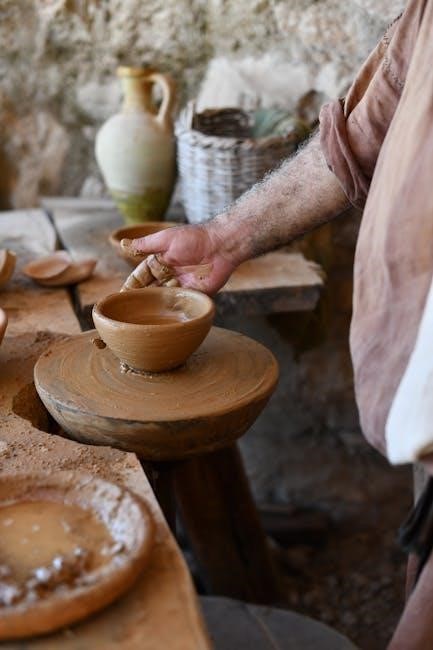
Carlé’s profession as a journalist positions him as an observer, yet his history compels him to become emotionally invested․ He seeks a form of redemption through his coverage, hoping to avert a repeat of his earlier failure․ The readily available text reveals his internal conflict between professional detachment and human compassion, making him a complex and compelling character․
IV․B․ The Trapped Girls: Innocence and Vulnerability
Azucena and her sister, central to the narrative often accessed as a PDF document, embody profound innocence and vulnerability․ Trapped beneath the mud after the volcanic eruption, they represent the devastating impact of natural disaster on the most defenseless members of society․ Azucena, particularly, becomes a symbol of hope and resilience as she clings to life, engaging in conversation with Rolf Carlé․
Their helplessness highlights the story’s exploration of power dynamics and the media’s role in shaping public perception․ The girls’ plight, meticulously documented, transforms into a spectacle, raising questions about exploitation and genuine compassion․ Their youthful vulnerability underscores the tragedy of lost potential and the fragility of human existence, powerfully conveyed within the text․
V․ Themes Explored in the Story
“And of Clay We Are Created,” frequently studied via accessible PDF versions, delves into several compelling themes․ A central focus is the immense power of the media and its influence on public perception, demonstrated through Rolf Carlé’s reporting․ The story also profoundly examines the delicate balance between life and death, emphasizing the fragility of existence in the face of overwhelming natural forces․
Furthermore, Allende explores the themes of responsibility and helplessness, questioning the limits of human intervention․ The narrative subtly critiques societal structures and the unequal distribution of vulnerability․ The story, readily available for download, prompts reflection on the human condition and our connection to the earth, ultimately questioning what it truly means to be alive․
V․A․ The Power of the Media and Public Perception
“And of Clay We Are Created,” often accessed as a PDF for academic study, powerfully illustrates how the media shapes public understanding of tragedy․ Rolf Carlé, as a reporter, embodies this influence; his coverage dictates the narrative surrounding the trapped girls․ Allende critiques the media’s tendency to sensationalize events, focusing on emotional impact over comprehensive reporting․
The story highlights how public attention can be fleeting, shifting rapidly even in the face of ongoing suffering․ Carlé’s personal connection to the disaster complicates his objectivity, demonstrating the inherent biases within media representation․ The readily available text encourages readers to critically analyze media portrayals and question the constructed realities presented to them, prompting a deeper understanding of perception․

V․B․ Life and Death: The Fragility of Existence
“And of Clay We Are We Created,” frequently studied via PDF versions, profoundly explores the precariousness of life․ The story’s central event – the volcanic eruption and the girls’ entrapment – starkly reveals how easily existence can be extinguished․ Allende emphasizes the thin line separating life and death, symbolized by the girls’ desperate struggle for survival amidst the overwhelming force of nature․
The narrative doesn’t offer easy answers or resolutions, instead forcing readers to confront the inevitability of mortality․ Rolf Carlé’s helplessness underscores the limitations of human intervention in the face of overwhelming disaster․ The story, readily available for analysis, serves as a poignant reminder of life’s fragility and the importance of cherishing each moment․
VI․ Literary Devices and Techniques
Isabel Allende’s masterful storytelling in “And of Clay We Are We Created,” often accessed through PDF formats for academic study, employs several key literary techniques․ Foremost is her use of magical realism, blending realistic events – the Nevado del Ruiz eruption – with fantastical elements, creating a dreamlike and emotionally resonant atmosphere․ This technique heightens the story’s impact and allows for deeper symbolic exploration․
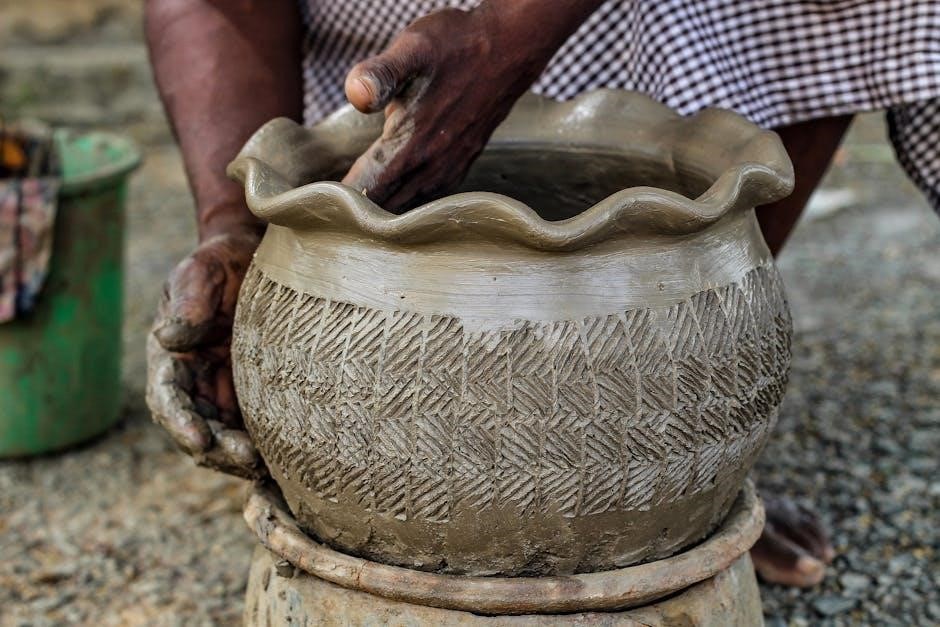
Allende’s narrative structure, shifting between past and present, builds suspense and reveals character motivations gradually․ Symbolism is also crucial; the clay itself represents both the potential for creation and the inevitability of destruction․ The story’s power lies in Allende’s ability to weave these devices seamlessly, offering a compelling and thought-provoking reading experience, easily studied via digital copies․
VI․A․ Allende’s Use of Magical Realism
Isabel Allende expertly utilizes magical realism in “And of Clay We Are We Created,” a technique readily apparent even in PDF versions of the text․ This isn’t about overt fantasy, but rather the subtle intrusion of the extraordinary into an otherwise realistic setting – the devastating volcanic eruption in Colombia․ The story blends factual reporting with elements that defy logical explanation, like the girls’ prolonged survival and their eerily calm demeanor while trapped․
This blending isn’t merely stylistic; it amplifies the emotional weight of the tragedy․ Allende uses magical realism to explore themes of life, death, and the human spirit’s resilience․ The story’s impact is heightened by this technique, making the tragedy feel both immediate and mythic, a quality preserved in digital formats like the widely available PDF․
VI․B․ Symbolism of Clay and Earth
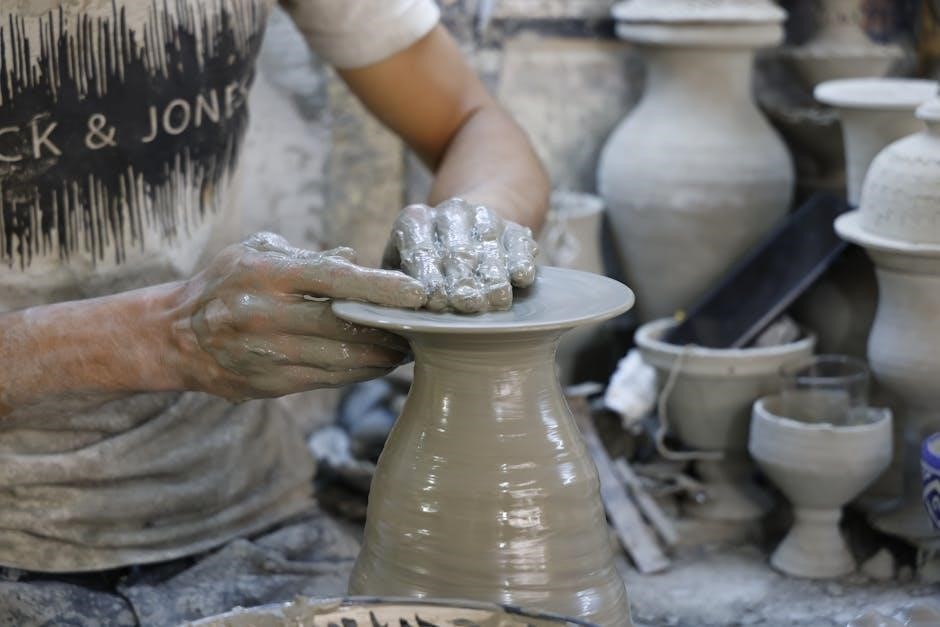
Clay and earth are central symbols throughout “And of Clay We Are We Created,” powerfully resonating even when experienced through a PDF version of the story․ The clay represents humanity – malleable, fragile, and ultimately, subject to the forces of nature․ Just as a potter shapes clay, life shapes us, but also carries the potential for destruction, mirroring the volcanic mud that engulfs the girls․
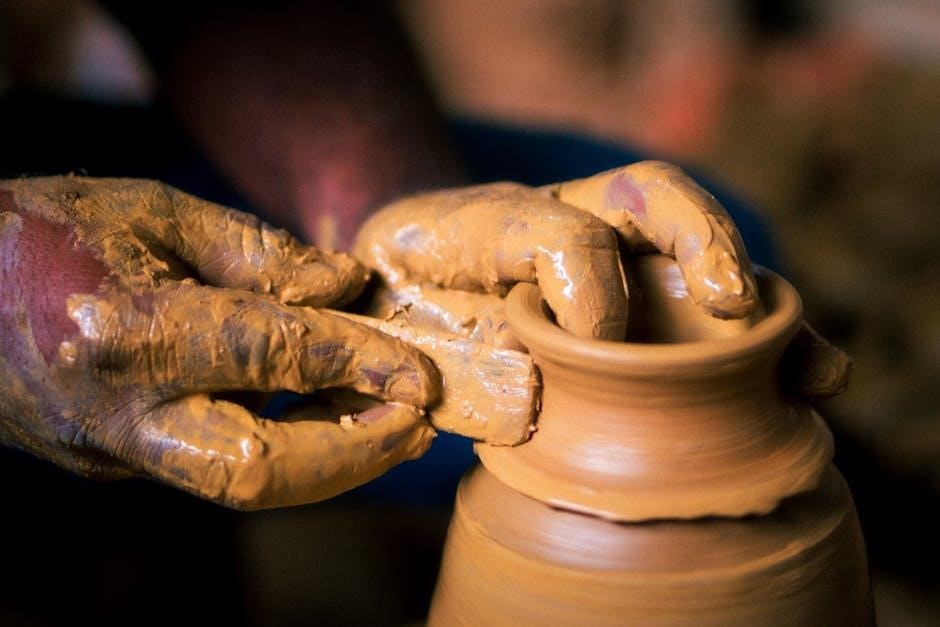
The earth itself symbolizes both creation and death, nurturing life but also capable of immense devastation․ The girls’ entrapment within the earth highlights humanity’s vulnerability and our inherent connection to the natural world․ Allende’s masterful use of this symbolism, readily apparent in any format including a digital PDF, underscores the story’s profound exploration of existence․
VII․ The Story’s Connection to Colombian History and Culture
“And of Clay We Are We Created” is deeply rooted in Colombian history, specifically the devastating 1985 Nevado del Ruiz volcanic eruption․ This real-life tragedy, which inspired the narrative, profoundly impacted Colombian culture and collective memory․ Even when accessed as a PDF, the story’s connection to this event remains palpable, serving as a poignant reminder of national loss and resilience․
Allende’s depiction of the disaster reflects the cultural context of Colombia, including its vulnerability to natural disasters and the societal responses to such events․ The story’s exploration of grief, helplessness, and the media’s role resonates with Colombian experiences․ Studying the story, even through a readily available PDF, offers insight into the nation’s history and cultural identity․
VIII․ Pottery and Clay as a Metaphor
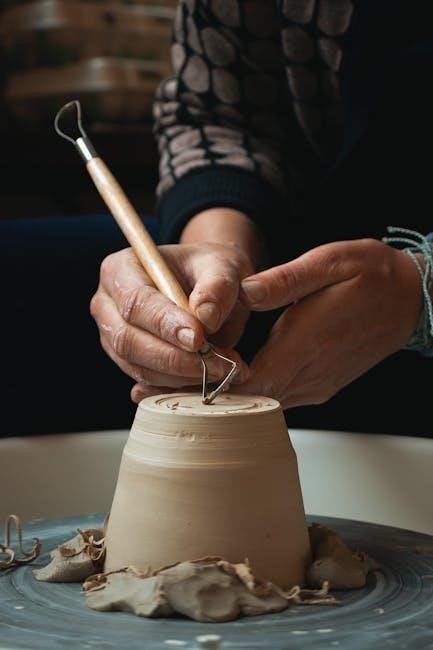
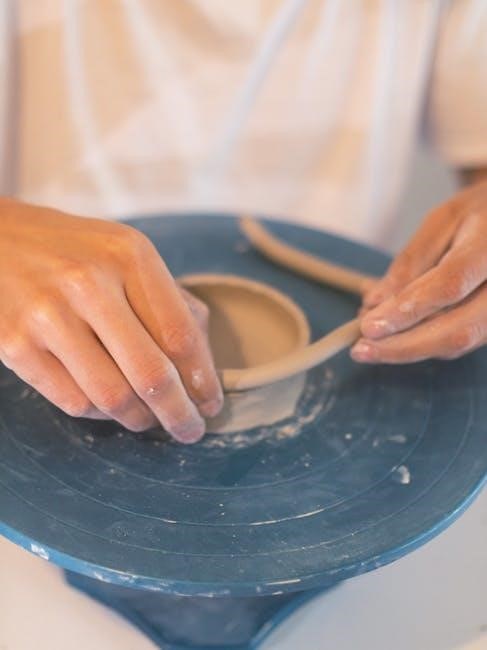
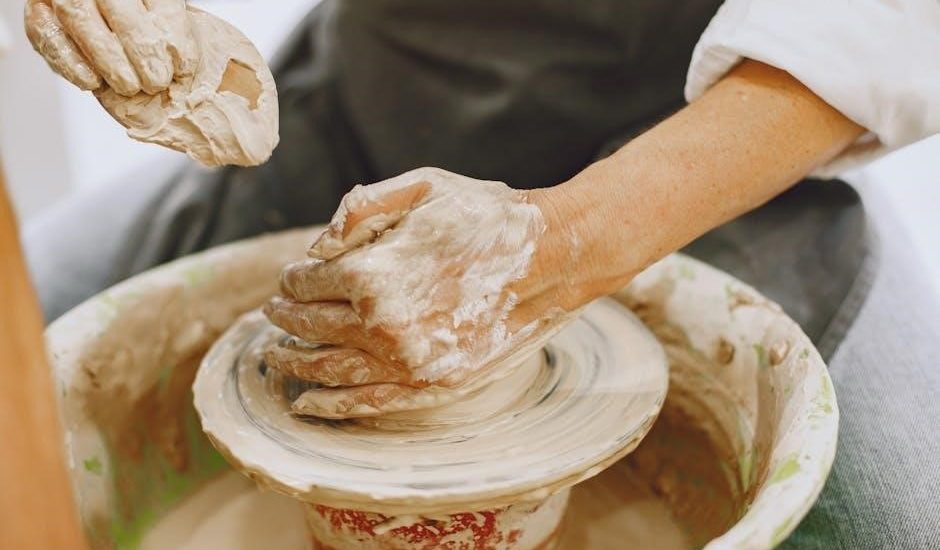
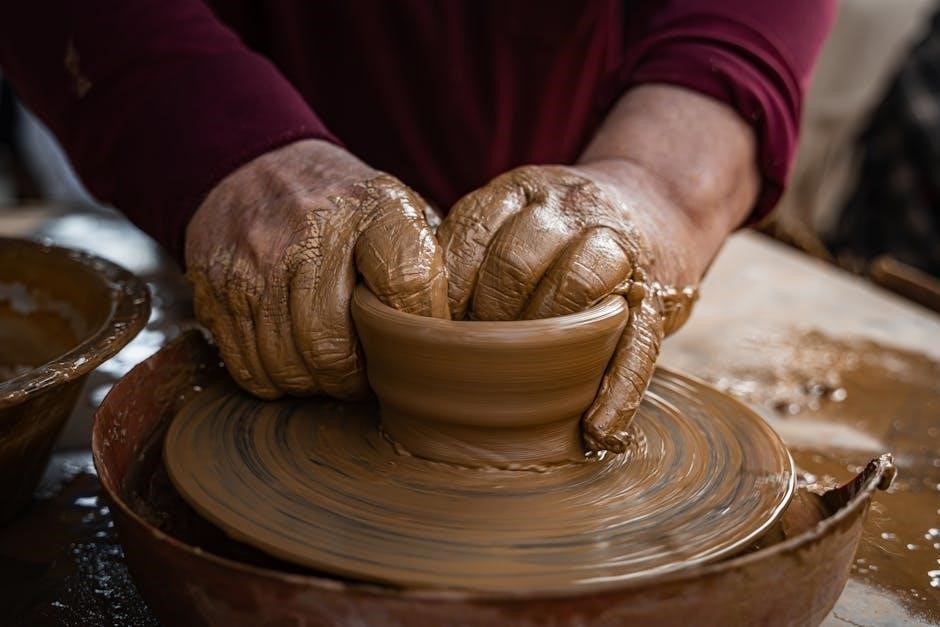
Clay serves as a central metaphor throughout Allende’s story, representing both the fragility and malleability of human life․ Just as a potter shapes clay, fate molds and reshapes our destinies, often with unpredictable and devastating consequences․ Accessing the story as a PDF doesn’t diminish this symbolic weight; rather, it allows for focused analysis of Allende’s artistry․
The act of creation and destruction inherent in pottery mirrors the volcanic eruption and its aftermath․ The girls trapped in the mud are likened to clay figures, vulnerable and easily broken; Furthermore, the story’s title itself emphasizes our fundamental connection to the earth – “of clay we are created” – highlighting our mortality․ Even in digital format, like a PDF, the potent symbolism of clay remains central to understanding the narrative’s core themes․
VIII;A․ The Process of Creation and Destruction
Pottery’s dual nature – creation and destruction – profoundly reflects the story’s events․ The initial shaping of clay into a vessel symbolizes life’s potential, while the firing process represents trials and tribulations․ However, a single misstep can shatter the creation, mirroring the sudden devastation caused by the volcanic eruption․ Studying the story, even in PDF format, reveals this parallel․
Allende masterfully uses this imagery to explore the arbitrary nature of fate․ Rolf Carlé’s attempts to “save” the girls can be seen as a desperate attempt to reshape destiny, much like a potter reworking flawed clay․ Yet, ultimately, destruction prevails․ The readily available PDF version allows for close textual analysis, emphasizing how Allende intertwines the artistic process with the story’s tragic outcome, highlighting life’s inherent vulnerability․
IX․ Contemporary Relevance of the Story
“And of Clay We Are Created” remains strikingly relevant today, resonating with contemporary concerns about disaster response, media responsibility, and human vulnerability․ The story’s exploration of how tragedies are consumed and sensationalized by the media continues to hold weight in our 24/7 news cycle․ Accessing the story via a convenient PDF download facilitates critical discussion about these themes․
Furthermore, the narrative’s depiction of helplessness in the face of natural disasters echoes current anxieties surrounding climate change and increasingly frequent extreme weather events․ The story prompts reflection on our collective responsibility to mitigate suffering and provide aid․ The easily accessible PDF format encourages wider readership and fosters ongoing dialogue about the story’s enduring message, ensuring its continued impact on modern audiences․
X․ Available Resources: “And of Clay We Are We Created” PDF and Online Texts
Readers seeking to delve into Isabel Allende’s powerful story can readily find “And of Clay We Are We Created” available in multiple formats․ A freely downloadable PDF version is accessible online, offering a convenient option for study and personal reading․ Several websites host the text, allowing for immediate access without purchase․ These digital resources facilitate widespread engagement with Allende’s work․
Furthermore, exploring online literary databases and educational platforms often yields the story for analysis․ The availability of a PDF ensures accessibility for those with limited internet bandwidth or preferring offline reading․ These resources empower students, researchers, and general readers to explore the story’s themes and literary techniques with ease, fostering a deeper understanding of its enduring impact․