
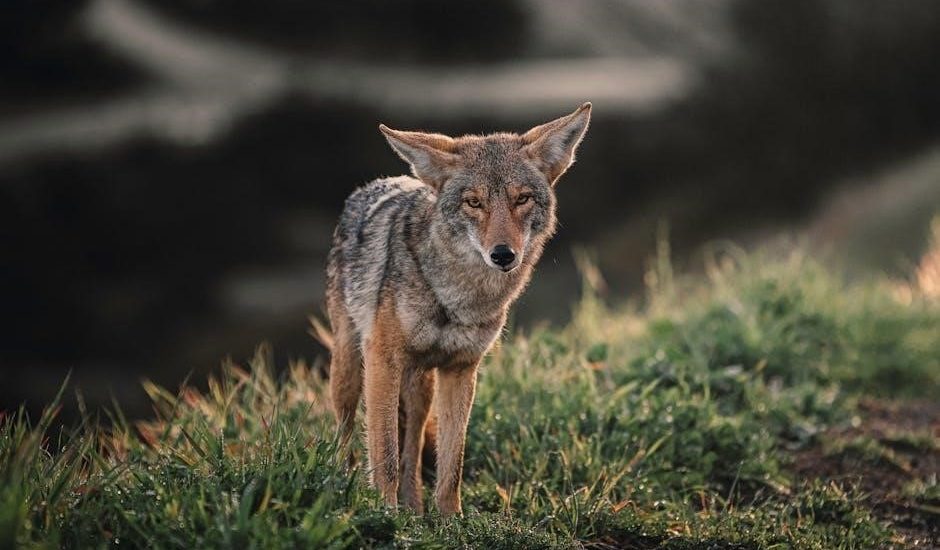
Wilderness survival demands adaptability and resourcefulness․ Whether in dense forests, rugged mountains, or vast deserts, unexpected situations can arise at any moment․ Preparation is key; a well-thought-out plan and essential knowledge can mean the difference between life and death․
What is Wilderness Survival?
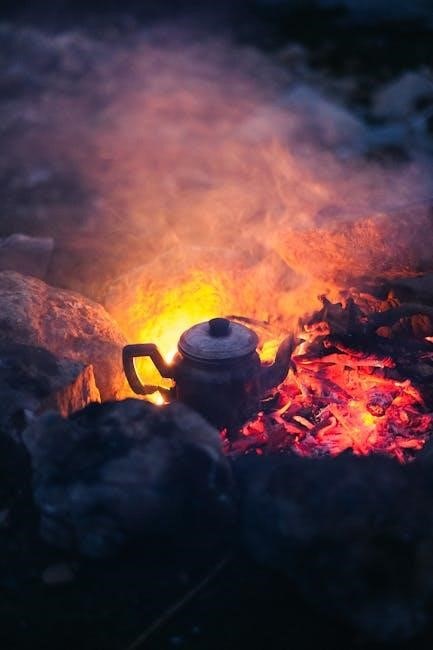
Wilderness survival refers to the ability to remain alive and thrive in remote, undeveloped environments with limited resources․ It involves mastering skills such as navigation, shelter-building, water sourcing, and fire-making․ Wilderness survival requires not just physical endurance but also mental resilience to cope with unpredictable conditions․ Proper preparation, including carrying essential gear and knowledge of local ecosystems, is crucial for success․ This skillset empowers individuals to handle emergencies and navigate nature’s challenges effectively․
Why Prepare for Wilderness Survival?
Preparing for wilderness survival is essential because unpredictable situations can arise even in familiar environments․ Natural disasters, equipment failure, or getting lost are real risks that demand readiness․ Proper preparation ensures you have the skills, tools, and mindset to handle emergencies effectively․ It instills confidence, making you capable of managing life-threatening scenarios with calmness and clarity․ Being prepared also prioritizes your safety and the safety of those with you, reducing risks and enhancing your ability to thrive in challenging conditions․

Essential Survival Skills
M mastered, these skills can significantly enhance your chances of staying alive in the wild․ From building shelters to navigating with a map and compass, each skill is vital for overcoming challenges in unpredictable environments․
Building Shelter in the Wilderness
In the wilderness, shelter is critical for protection from harsh elements․ Identify natural features like large trees, rock overhangs, or caves to minimize construction․ Use debris, leaves, and branches to insulate and waterproof makeshift structures․ A lean-to or debris hut can provide temporary refuge․ Always choose a location elevated from flood risks and away from dangers like falling debris․ Proper shelter design ensures safety and conserves energy while waiting for rescue․
Purifying Water for Survival
Water is essential for survival, and finding safe sources is paramount in the wilderness․ Boiling water is a reliable method to kill harmful pathogens․ If boiling isn’t possible, use portable water filters or iodine tablets to purify․ Natural filtration with sand and charcoal can work in emergencies․ Collect rainwater or dew for clean drinking sources․ Avoid drinking untreated water from streams or lakes, as it may contain bacteria or parasites․ Proper water purification ensures you stay hydrated and avoid life-threatening illnesses in survival situations․
Starting and Maintaining a FireFires are vital for warmth, cooking, and signaling in the wilderness․ Start by gathering dry tinder, kindling, and larger fuel sources․ Use a ferrous metal and steel wool to create sparks, or strike a fire steel against hardwood to ignite tinder․ Maintain airflow by arranging fuel in a teepee or log cabin formation․ Keep fires small for efficiency and safety․ Use dry, dead wood as fuel and avoid vegetation with high moisture content․ Ensure fires are fully extinguished before leaving to prevent wildfires․ Proper fire management is essential for survival and safety in outdoor environments․

Navigating in the Wilderness
Mastering navigation ensures safe travel in the wilderness․ Use a compass and map to stay oriented․ Identify natural landmarks, such as rivers or rocks, to maintain direction․ Learn celestial navigation for emergencies and markPaths to avoid disorientation․ Staying on trails prevents getting lost, enhancing survival chances․

Using a Map and Compass
Mastering map and compass navigation is crucial for wilderness survival․ Start by orienting the map to your surroundings․ Align the compass needle with the map’s north arrow to ensure accuracy․ Identify key landmarks and use them to pinpoint your location․ Practice triangulation by locating two landmarks and drawing intersecting lines to determine your exact position․ Carry a detailed map and keep track of your progress․ Always double-check your bearings to avoid getting lost; In emergencies, rely on natural landmarks and the sun’s position as backup navigation tools․ Stay calm and methodical to maintain accuracy while navigating unfamiliar terrain․
Identifying Natural Landmarks
In the wilderness, natural landmarks serve as critical reference points for navigation and orientation․ Trees, rocks, rivers, and elevation changes are key features to recognize․ Look for unusual tree formations, prominent boulders, or distinctive vegetation patterns that stand out․ Pay attention to the way water flows, as it often indicates trail markers or safe routes․ Use shadows and sun angles to determine direction when landmarks are scarce․ Practice observing your surroundings to spot natural indicators like animal trails or soil discoloration․ Developing this skill ensures you can orient yourself even in unfamiliar terrain․ Remember, landmarks provide consistency and guidance, helping you stay on course during survival situations․

First Aid in the Wilderness
First aid in the wilderness requires quick thinking and basic skills․ Treating injuries like cuts, burns, or fractures can prevent minor issues from becoming life-threatening․ Always carry a first aid kit and know how to clean wounds, control bleeding, and splint injuries․ Be prepared to address emergencies like heatstroke or hypothermia while awaiting rescue․ Time and proper care are critical in remote settings․
Treating Common Injuries
In wilderness survival, treating common injuries like cuts, sprains, or burns is crucial․ Clean and sterilize wounds using available resources to prevent infection․ Apply pressure to control bleeding and elevate injured limbs to reduce swelling․ For burns, cool the affected area with water and cover it gently․ Splint fractures and immobilize injuries to prevent further damage․ Prioritize severe injuries and seek professional help when possible to ensure proper recovery and prevent complications․
Making Splints and Slings
In wilderness survival, creating splints and slings can stabilize injuries and prevent further harm․ Use natural materials like sturdy branches, vines, or cloth to fashion a splint for broken limbs․ Pad it with soft moss or clothing to avoid pressure points․ For slings, loop a piece of cloth around the injured arm and tie it securely across the chest․ Ensure proper alignment to immobilize without restricting blood flow․ Practice these techniques to support recovery and prevent complications while awaiting professional help․
How to Create a Wilderness Survival Guide PDF
Creating a wilderness survival guide PDF involves organizing key survival tips and resources into a clear digital format․ Include sections on shelter, water, food, navigation, first aid, and signaling․ Design the PDF to be user-friendly, with visuals and concise information for quick reference․ Ensure it’s accessible on various devices for emergency preparedness․
Organizing Your Content
Organizing a wilderness survival guide PDF requires clear structure and logical flow․ Start with an introduction outlining key principles․ Divide the guide into sections like shelter, water, food, navigation, and first aid․ Use concise subheadings and bullet points for critical instructions․ Include visuals, such as diagrams and charts, to enhance understanding․ Maintain consistency in formatting and ensure the guide is easily navigable․ This organization ensures readers can quickly find and apply the information they need during emergencies․
Designing a User-Friendly PDF
Designing a wilderness survival guide PDF requires a focus on readability and accessibility; Use a clean, organized layout with clear headings and subheadings․ Incorporate bullet points and numbered lists for easy scanning․ Include a table of contents for quick navigation․ Use a readable font size and ensure adequate spacing between sections; Highlight key information with bold text or italicized phrases․ Add visuals like diagrams or charts to illustrate complex concepts․ Ensure the PDF is optimized for both desktop and mobile viewing․ By prioritizing user experience, you create a guide that is both functional and intuitive․

Expert Tips for Wilderness Survival
Expert tips for wilderness survival emphasize resourcefulness and preparedness․ Always prioritize finding shelter and clean water․ Use natural materials to create tools or traps․ Learn to identify edible plants and safe wildlife habitats; Stay calm, conserve energy, and wait for rescue if necessary․ These strategies are crucial for thriving in the wild․
Making Use of Natural Resources
Making use of natural resources is vital in wilderness survival․ Identify plants like cattails or ferns for edible roots and leaves․ Use tree bark to make cordage or create a waterproof shelter․ Learn to recognize safe drinking water sources, such as running streams․ Avoid damaging the environment while foraging or gathering materials․ Natural resources provide essential tools, food, and shelter when properly utilized, ensuring a sustainable and effective approach to survival in the wild․
Signaling for Help
Effective signaling can be life-saving in a wilderness emergency․ Use visual signals like smokes, fires, or reflective materials to catch the attention of rescuers․ Create an SOS pattern or use natural landmarks for visibility․ Auditory signals like whistles or shouted calls can also help pinpoint your location․ Position yourself in an open area or high ground to maximize signal reach․ Maintain consistency in your signaling efforts and avoid wasting resources․ Proper use of signaling techniques ensures a higher chance of rescue during a wilderness survival situation․
Common Mistakes in Wilderness Survival
Common mistakes include underestimating challenges, ignoring environmental cues, and failing to ration resources․ Proper preparation and awareness minimize errors and enhance survival chances in the wilderness․
Misjudging the Importance of Water
Misjudging the importance of water can be a in wilderness survival․ Even in moderate climates, dehydration can quickly impair judgment and physical performance․ Always prioritize finding and purifying water sources․ Avoid drinking untreated water, as it may contain harmful pathogens․ Carry a water filtration system or purification tablets․ Plan your route to include water-rich areas, and ration supplies carefully during long treks․ Never assume water is abundant; prepare for the unexpected to stay safe and hydrated in the wild․
Overlooking the Need for Navigation Tools
One of the most critical mistakes in wilderness survival is overlooking navigation tools․ Without a map, compass, or GPS, even experienced adventurers can become disoriented․ Relying solely on memory or landmarks can lead to confusion, especially in dense forests or featureless terrains․ Always carry a topographic map, a reliable compass, and consider a GPS device․ Marking waypoints and practicing navigation skills can help avoid getting lost․ Misjudging this essential aspect can result in extended exposure to harsh conditions, exhaustion, or life-threatening situations․ Never underestimate the importance of proper navigation tools for safety and survival․
Wilderness Survival Gear and Supplies
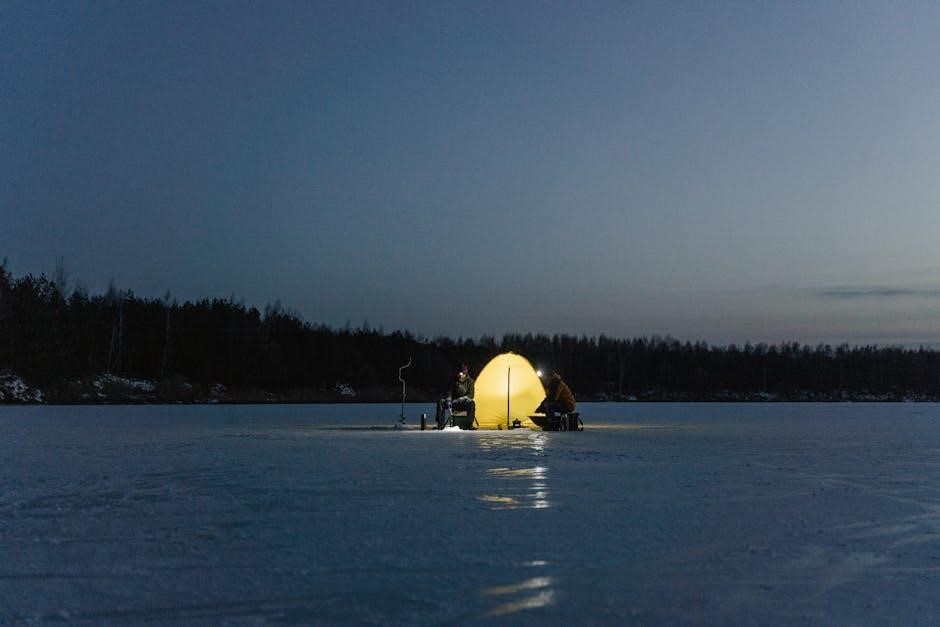
Essential items include water filtration, emergency shelter, multi-purpose tools, first aid kits, a fire starter, and high-energy food․ Gear selection depends on the environment and planned activities․ Properly packing and maintaining equipment ensures readiness for unexpected challenges in the wilderness․
Pack Essentials for Any Trip
Packing essentials is critical for any wilderness trip․ Always carry a water bottle, water purification tablets, and a hydration bladder․ Include high-energy snacks like granola bars, nuts, and energy gels․ A lightweight tent or emergency blanket is a must for shelter․ Navigation tools such as a compass, map, and GPS device are essential․ Bring a headlamp with extra batteries, a multi-tool, a first aid kit, and a whistle․ Pack extra clothing layers, including a rain jacket, wool socks, and insulated gloves․ These items ensure preparedness for unpredictable conditions and environments․
Choosing the Right Clothing
Selecting appropriate clothing is vital for surviving in the wilderness; Opt for breathable, moisture-wicking fabrics like polyester or merino wool to keep dry and regulate body temperature․ Layering is key: start with a base layer, add insulation like fleece or wool, and finish with a waterproof, windproof outer layer․ Footwear should be sturdy, waterproof boots with good traction․ Include UV-protective hats, gloves, and sunglasses for protection from the environment․ Avoid cotton, as it retains moisture and can lead to hypothermia․ Choose clothing that adapts to changing weather conditions and prioritizes functionality over style․

Maintaining a Survival Mindset
Maintaining a survival mindset is crucial․ Stay calm, think clearly, and focus on priorities․ Accept challenges as opportunities to adapt․ Trust yourtraining, and remain confident․ Prioritize tasks, manage resources wisely, and stay positive; Develop mental toughness and resilience․ Remember, survival depends on calmness, clarity, and resourcefulness․ Essential skills like navigation and reliable water sources are key․ Trust your instincts, adapt, and survive․
Staying Calm Under Pressure
Maintaining composure is essential in high-stress wilderness situations․ Panic can cloud judgment and hinder decision-making․ Practice controlled breathing: inhale deeply, hold for a few seconds, then exhale slowly․ Trust your training and prior knowledge․
Identify immediate threats and assess your surroundings calmly․
Use positive visualization to focus on solutions rather than fear․ Remember, staying calm allows you to think clearly and act effectively in life-threatening scenarios․ Trust your instincts and adapt to changing conditions while prioritizing safety and survival․
Positive Thinking in Adversity
A positive mindset is a powerful tool in wilderness survival․ Adversity is inevitable, but how you respond determines your outcome․ Focus on what you can control, rather than panicking over the uncontrollable․
Cultivate optimism by reminding yourself of past successes and your ability to adapt․
Recognize that challenges are temporary and can be overcome with determination․ Practice gratitude for the resources you have and visualize a successful resolution․ Positive thinking builds resilience, enabling you to tackle problems methodically and emerge stronger․ Embrace adversity as an opportunity to grow, not as a setback․ Stay focused, stay hopeful, and stay alive․