

Amerman’s 2nd edition provides a comprehensive resource, available as a PDF, for exploring the intricate details of the human body. It’s a key text for laboratory studies.
Overview of the Textbook
Amerman’s “Human Anatomy & Physiology” (2nd Edition) serves as a foundational text, frequently accessed as a PDF for convenient study. The book meticulously details the structural and functional aspects of the human body, progressing from basic chemical levels to the complexities of whole-organism systems.
It’s designed for introductory courses, emphasizing clinical connections and real-world applications. Supplementary materials, including a robust test bank, are often available alongside the core text. Students benefit from the integration of laboratory exercises, enhancing understanding through hands-on exploration. The PDF format facilitates easy navigation and accessibility, making it a valuable resource for both classroom learning and independent study. Exploring anatomy within the laboratory is a key component, supported by detailed guides and data analysis prompts.
Importance of Studying Anatomy and Physiology
Understanding human anatomy and physiology, as detailed in Amerman’s 2nd edition – often utilized in PDF format – is crucial for numerous professions. It forms the bedrock of medical practice, enabling healthcare professionals to diagnose and treat illnesses effectively. Beyond medicine, fields like nursing, physical therapy, and exercise science rely heavily on this knowledge base.
Studying these disciplines provides insight into how the body functions in health and disease, fostering informed lifestyle choices. The textbook’s emphasis on laboratory applications, accessible through supplemental materials and the test bank, reinforces theoretical concepts with practical experience. A solid grasp of anatomy and physiology is also vital for appreciating the intricate design of the human body and its remarkable capacity for adaptation. It’s a cornerstone of biological literacy.

The Human Body: Levels of Organization
Amerman’s 2nd edition systematically explores organization – chemical, cellular, tissue, organ, system, and organismal – building a foundational understanding of human anatomy and physiology.
Chemical Level
Amerman’s text begins at the most fundamental level: the chemical composition of the human body. This foundational layer encompasses atoms, molecules, and complex chemical compounds like proteins, carbohydrates, lipids, and nucleic acids. Understanding these building blocks is crucial, as they dictate all physiological processes.
The 2nd edition meticulously details how these chemicals interact, forming the basis of cellular structure and function. It explores essential concepts like pH, buffers, and the roles of various ions in maintaining homeostasis. The PDF version likely includes detailed diagrams and explanations of chemical bonds and reactions vital for life. This level sets the stage for comprehending the complexities of subsequent organizational levels, providing a solid base for further study in human anatomy and physiology.

Cellular Level
Building upon the chemical foundations, Amerman’s 2nd edition delves into the cellular level – the basic structural and functional units of the body. This section likely details cell structures, including the plasma membrane, nucleus, and various organelles, and their specific roles. The PDF resource probably features detailed illustrations showcasing cellular anatomy.
Key concepts covered will include cellular transport mechanisms (diffusion, osmosis, active transport), cell communication, and the cell cycle. Understanding how cells obtain nutrients, eliminate waste, and replicate is paramount. The text likely emphasizes how cellular dysfunction contributes to disease. This level bridges the gap between molecular interactions and tissue formation, providing a crucial understanding of how individual cells contribute to the overall function of the organism, as presented in the human anatomy and physiology textbook.
Tissue Level
Amerman’s 2nd edition progresses to the tissue level, examining groups of similar cells performing specific functions. The PDF version likely presents detailed microscopic images illustrating the four primary tissue types: epithelial, connective, muscle, and nervous. Each tissue type is characterized by its structure and specialized role within the body.
The text probably explores epithelial tissues’ covering and lining functions, connective tissues’ support and connection roles, muscle tissues’ contractility, and nervous tissues’ communication capabilities. Understanding tissue organization is vital, as it dictates organ structure and function. The resource likely details how tissues repair themselves and how disruptions in tissue structure contribute to various pathologies. This level builds upon cellular understanding, demonstrating how cells cooperate to create functional units, as comprehensively covered in the human anatomy and physiology textbook.
Organ Level
Amerman’s 2nd edition then focuses on the organ level, where different tissues combine to form structures with specific, complex functions. The PDF resource likely showcases detailed anatomical illustrations of major organs – the heart, lungs, kidneys, stomach, and brain, among others. It emphasizes how the arrangement of tissues within an organ directly correlates to its capabilities.
For example, the stomach’s layered structure (epithelial lining, muscle layers, connective tissue) enables digestion. The textbook probably details how organs interact and depend on each other. It likely explores organ systems’ emergent properties – functions that aren’t present in the individual tissues alone. This section of human anatomy and physiology builds upon tissue understanding, demonstrating how coordinated tissue activity creates functional units capable of maintaining homeostasis. The Amerman text likely includes clinical correlations, linking organ dysfunction to specific diseases.
System Level
Amerman’s 2nd edition progresses to the system level, illustrating how organs collaborate to accomplish common functions. The PDF version likely presents in-depth coverage of eleven major organ systems: integumentary, skeletal, muscular, nervous, endocrine, cardiovascular, lymphatic, respiratory, digestive, urinary, and reproductive. Each system chapter probably details its component organs, their interrelationships, and overall contribution to maintaining life.
For instance, the cardiovascular system (heart, blood vessels, blood) works with the respiratory system (lungs) to deliver oxygen and remove carbon dioxide. The textbook likely emphasizes that systems aren’t isolated; they exhibit complex interactions. Understanding these interdependencies is crucial for comprehending overall body function. Human anatomy and physiology at this level requires integrating knowledge from previous sections. The Amerman text likely includes clinical case studies demonstrating how system failures impact the entire organism, reinforcing the importance of systemic integration.
Organismal Level
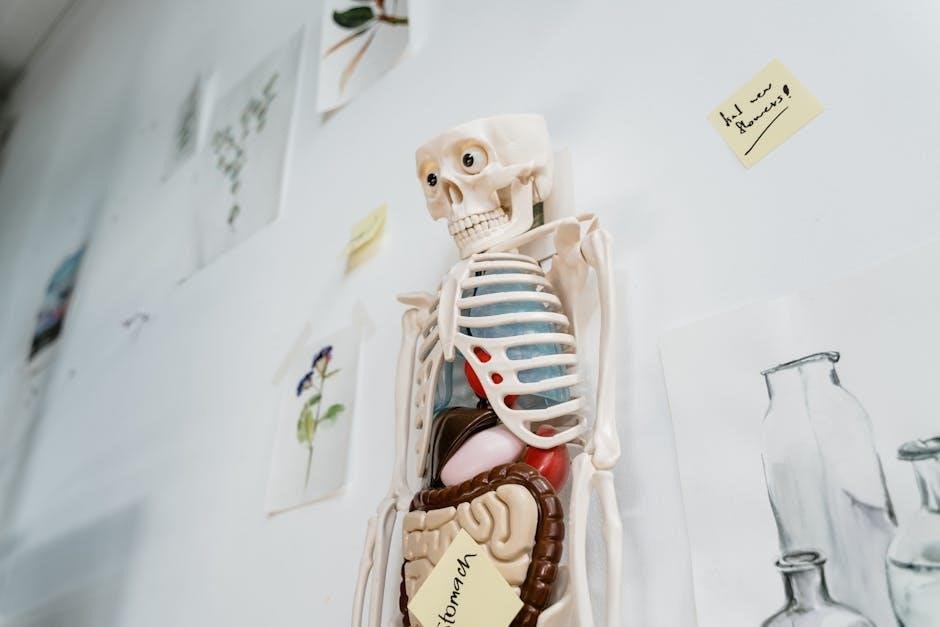
Amerman’s 2nd edition culminates at the organismal level, representing the sum total of all structural levels working in unison. This is where the integrated functioning of all systems maintains life – homeostasis. The PDF resource likely emphasizes that the human body is more than just the sum of its parts; emergent properties arise from complex interactions.
Factors like nutrition, genetics, age, and environmental influences are considered at this level, impacting overall health and function; The textbook probably illustrates how disruptions at any lower level (chemical, cellular, tissue, organ, system) can manifest as disease or dysfunction at the organismal level. Human anatomy and physiology truly comes together here.
Clinical examples within the Amerman text likely demonstrate how understanding all levels of organization is vital for diagnosis and treatment. The organismal level showcases the incredible resilience and adaptability of the human body, while also highlighting its vulnerability to internal and external stressors.
Body Systems: A Comprehensive Look
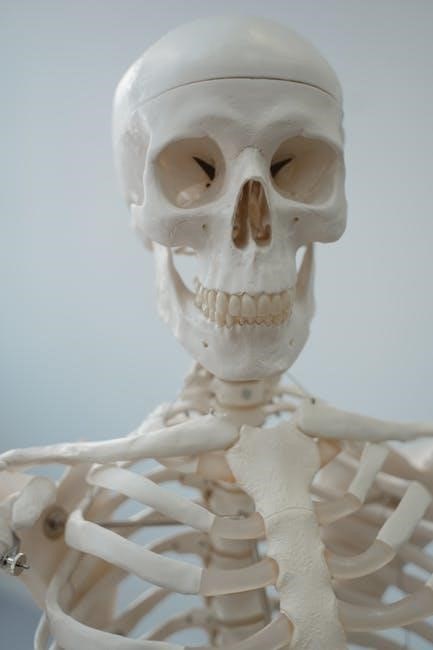
Amerman’s 2nd edition PDF meticulously details each body system – integumentary to reproductive – showcasing their anatomy, physiology, and interconnectedness for holistic understanding.
Integumentary System
Amerman’s 2nd edition comprehensively covers the integumentary system – the skin, hair, and nails – as a vital protective barrier. The PDF resource details its layered structure, from the epidermis providing waterproofing to the dermis housing crucial sensory receptors and blood vessels.
It explores the functions beyond protection, including temperature regulation through sweat glands and vitamin D synthesis. The text elucidates how this system interacts with others, like the nervous system for sensation and the immune system for defense.
Laboratory explorations, as highlighted in associated materials, likely involve examining skin tissues and understanding conditions affecting this system. The Amerman text provides a solid foundation for grasping the integumentary system’s complexity and importance to overall health, with downloadable resources available.

Skeletal System
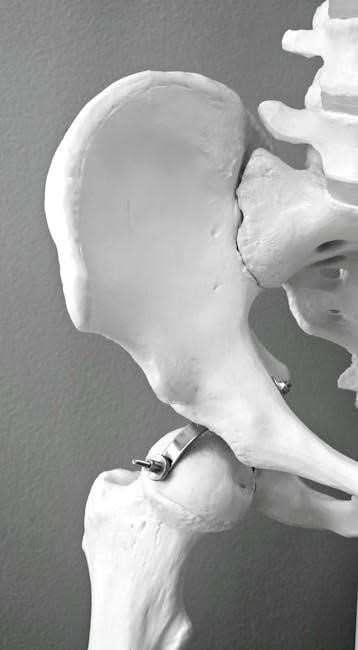
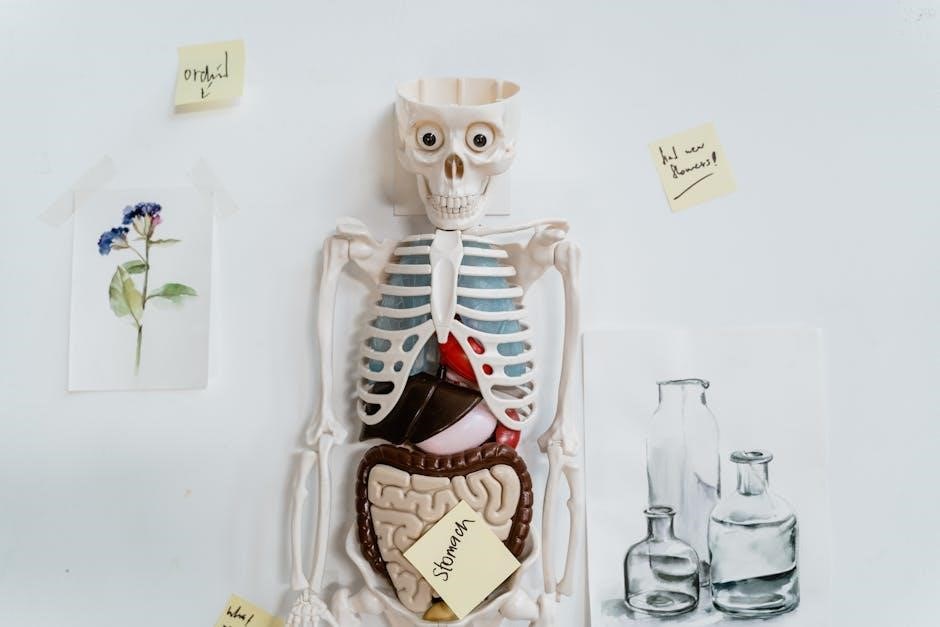
Amerman’s 2nd edition meticulously details the human skeletal system, available as a downloadable PDF. It covers the 206 bones, their classifications (long, short, flat, irregular), and their crucial roles in support, protection, and movement. The text explains bone structure – compact and spongy bone – and the processes of bone growth and remodeling.
Joints, the connections between bones, are thoroughly examined, categorizing them by structure and function (fibrous, cartilaginous, synovial). The PDF resource likely includes detailed illustrations and diagrams to aid understanding.
Furthermore, the text explores skeletal disorders like osteoporosis and arthritis. Associated laboratory materials, as referenced, probably involve identifying bones, examining skeletal features, and understanding joint mechanics. Amerman provides a robust foundation for comprehending this essential system and its impact on overall physiology.
Muscular System
Amerman’s 2nd edition, accessible as a PDF, provides a detailed exploration of the human muscular system. It categorizes muscles – skeletal, smooth, and cardiac – outlining their distinct structures and functions. The text focuses heavily on skeletal muscle, detailing its microscopic anatomy, from muscle fibers to myofibrils, and the sliding filament theory of contraction.
Muscle attachments, actions, and naming conventions are thoroughly explained. The PDF likely includes illustrations demonstrating muscle origins, insertions, and the movements they produce. Neuromuscular junctions and the role of neurotransmitters in muscle stimulation are also covered.
Furthermore, the resource explores muscle fatigue, different types of muscle fibers, and common muscular system disorders. Laboratory exercises, as suggested by related materials, likely involve identifying muscles, observing muscle contractions, and understanding the principles of leverage. Amerman delivers a comprehensive understanding of this vital system.
Nervous System
Amerman’s 2nd edition, available in PDF format, delivers a thorough examination of the human nervous system. It details the central nervous system (CNS) – brain and spinal cord – and the peripheral nervous system (PNS), including cranial and spinal nerves. The text elucidates the functional classifications of neurons: sensory, motor, and interneurons, alongside glial cell types and their supportive roles.
Synaptic transmission, action potentials, and neurotransmitters are explained with clarity. Brain structures, including lobes, and their associated functions are likely illustrated. The PDF probably covers sensory receptors, pathways, and the integration of sensory information.
Furthermore, the resource explores reflexes, motor control, and the autonomic nervous system (sympathetic and parasympathetic branches). Related laboratory materials likely involve identifying nervous system structures, examining reflexes, and exploring the effects of stimuli. Amerman provides a robust foundation for understanding this complex system.
Endocrine System
Amerman’s 2nd edition, accessible as a PDF, provides a detailed overview of the human endocrine system. It explores hormone functions, mechanisms of action, and the interplay between hormones and target cells. The text likely covers major endocrine glands – pituitary, thyroid, parathyroid, adrenal, pancreas, ovaries, and testes – detailing their hormone production and physiological effects.

Expect comprehensive coverage of hormone regulation, feedback loops (positive and negative), and the impact of hormonal imbalances. The PDF probably includes discussions on hormone receptors, signal transduction pathways, and the chemical classifications of hormones (steroids, peptides, amines).
Laboratory exercises associated with Amerman’s text may involve examining endocrine gland histology, investigating hormone effects on physiological parameters, or exploring case studies of endocrine disorders. This resource offers a solid understanding of this crucial regulatory system.
Cardiovascular System
Amerman’s 2nd edition, available in PDF format, delivers a thorough examination of the cardiovascular system. This includes detailed coverage of the heart – its anatomy, conduction system, and cardiac cycle – alongside the structure and function of blood vessels (arteries, veins, capillaries). Expect in-depth explanations of blood composition, blood pressure regulation, and the various circulatory pathways (pulmonary, systemic).
The text likely explores the mechanisms of blood flow, including factors influencing resistance and turbulence. Discussions on cardiac output, stroke volume, and heart rate are probable. Furthermore, Amerman’s resource likely addresses common cardiovascular diseases and their physiological basis.
Associated laboratory exercises within the PDF may involve dissecting the heart, measuring blood pressure, analyzing ECGs, or investigating the effects of exercise on cardiovascular function. This provides a robust foundation in circulatory physiology.
Lymphatic System
Amerman’s 2nd edition, accessible as a PDF, provides a detailed overview of the lymphatic system and its crucial role in immunity and fluid balance. The text likely explores the anatomy of lymphatic vessels, lymph nodes, the spleen, thymus, and tonsils, detailing their specific functions in immune surveillance and pathogen filtration.
Expect comprehensive coverage of lymph formation, lymphatic circulation, and the processes of antigen presentation and lymphocyte activation. The PDF probably delves into the different types of lymphocytes (B cells, T cells, NK cells) and their roles in adaptive and innate immunity.
Laboratory components within Amerman’s resource may include identifying lymphatic structures in histological slides, examining lymph node morphology, or investigating immune responses. The text likely connects lymphatic function to other body systems, emphasizing its importance in overall homeostasis and defense against disease.
Respiratory System
Amerman’s 2nd edition, available as a PDF, offers a thorough examination of the respiratory system, detailing its anatomy and physiological mechanisms. Expect detailed coverage of the upper and lower respiratory tracts, including the nasal cavity, pharynx, larynx, trachea, bronchi, and alveoli. The text likely emphasizes the structural adaptations that facilitate efficient gas exchange.
The PDF probably explores the processes of ventilation, external and internal respiration, and gas transport, including the roles of hemoglobin and partial pressure gradients. Expect discussion of lung volumes, capacities, and the control of breathing, highlighting the interplay between the nervous and respiratory systems.
Laboratory exercises within Amerman’s resource may involve lung dissection, spirometry measurements, or microscopic examination of respiratory tissues. The text likely connects respiratory function to other systems, such as the cardiovascular system, and discusses common respiratory pathologies.
Digestive System
Amerman’s 2nd edition PDF provides a detailed exploration of the digestive system, from ingestion to elimination. The text likely covers the anatomy of the alimentary canal – mouth, esophagus, stomach, small and large intestines – and accessory organs like the liver, gallbladder, and pancreas.
Expect comprehensive coverage of digestive processes: mechanical breakdown, chemical digestion (enzymes!), absorption of nutrients, and waste elimination. The PDF probably details the specific roles of each organ and the enzymes involved in carbohydrate, protein, and lipid digestion.
Laboratory components within Amerman’s resource may include dissection of digestive organs, analysis of digestive enzymes, or examination of histological slides. The text likely connects digestive function to metabolic processes and explores common digestive disorders. It will likely emphasize the importance of a balanced diet and gut microbiome health.
Urinary System
Amerman’s 2nd edition PDF offers a thorough examination of the urinary system, crucial for homeostasis. Expect detailed coverage of the kidneys – their structure, including nephrons, and their vital role in filtering blood and producing urine. The text likely explores the pathways of urine, from the renal pelvis through the ureters, bladder, and finally, the urethra.
The PDF will likely delve into the processes of glomerular filtration, tubular reabsorption, and tubular secretion, explaining how the kidneys regulate blood volume, electrolyte balance, and pH. Expect discussion of hormones influencing kidney function, such as ADH and aldosterone.
Laboratory exercises accompanying Amerman’s text may involve urinalysis, kidney dissection, or microscopic examination of kidney tissues. The resource likely connects urinary system function to other body systems and discusses common urinary tract disorders and their impact on overall health.
Reproductive System
Amerman’s 2nd edition PDF provides a detailed exploration of both male and female reproductive systems. Expect comprehensive coverage of the gonads – testes in males and ovaries in females – and their respective roles in gamete production (spermatogenesis and oogenesis). The text likely details the hormonal control of reproductive functions, including the interplay of hormones like testosterone, estrogen, and progesterone.
The PDF will likely cover the anatomy of the accessory reproductive organs, such as the ducts, glands, and external genitalia, explaining their functions in gamete transport, maturation, and fertilization. Expect discussion of the menstrual cycle, pregnancy, and development.
Laboratory components within Amerman’s resource may include microscopic examination of reproductive tissues, models of reproductive organs, or exercises focusing on hormonal regulation. The text likely connects reproductive system function to genetics and human development, and discusses common reproductive health issues.

Laboratory Applications & Resources (Amerman 2nd Edition Focus)
Amerman’s 2nd edition PDF supports learning with practical exercises, data analysis, and a robust test bank for assessment – ideal for laboratory work.
Exploring Anatomy in the Laboratory
Amerman’s 2nd edition significantly enhances the laboratory experience for students of human anatomy and physiology. The associated resources, often available as a downloadable PDF, facilitate a deeper understanding through hands-on exploration. These materials include detailed guides for dissection, microscopic observation, and identification of key anatomical structures.
The text supports practical application of theoretical knowledge, bridging the gap between textbook concepts and real-world observation. Students can utilize accompanying workbooks and online resources to reinforce learning and prepare for assessments. Furthermore, the laboratory component, as outlined in the PDF and related materials, emphasizes critical thinking and problem-solving skills, essential for future healthcare professionals. Access to test banks and assignment materials further solidifies comprehension.
Physiology Experiments & Data Analysis
Amerman’s 2nd edition integrates robust physiology experiments designed to complement anatomical studies, often accessible through supplemental PDF resources. These experiments move beyond simple observation, requiring students to actively collect and analyze physiological data. Emphasis is placed on understanding the functional significance of anatomical structures.
Students learn to utilize various measurement techniques, record observations accurately, and interpret results using statistical methods. The accompanying materials, including experiment protocols and data sheets (often found in PDF format), guide students through the scientific process. This hands-on approach fosters a deeper comprehension of physiological principles and develops crucial analytical skills. The text also prepares students for advanced coursework and research by building a foundation in experimental design and data interpretation, alongside assessment materials.
Test Bank & Assessment Materials
Amerman’s 2nd Edition is supported by a comprehensive suite of assessment tools, frequently available for instructors as a downloadable PDF or through online platforms. These resources include a robust test bank containing a wide range of question types – multiple choice, true/false, short answer, and essay – designed to evaluate student understanding of key concepts.
The test bank questions are carefully crafted to assess not only factual recall but also critical thinking and application of knowledge. Many instructors utilize these materials to create customized quizzes and exams. Furthermore, assignment materials, sometimes found as PDF documents, provide opportunities for students to demonstrate their understanding through practical applications and problem-solving exercises. These resources ensure effective evaluation of learning outcomes and facilitate a thorough assessment of student mastery of human anatomy and physiology.