VHF Marine Frequencies: A Comprehensive Guide
Accessing VHF marine frequency lists in PDF format is crucial for mariners, offering detailed channel information․ The US VHF Marine Frequency List,
published March 1, 2009, and updated as of March 30, 2020, provides a comprehensive resource․ This document, available at AKWG, details ship transmit and receive frequencies for various communications․
Understanding VHF Marine Radio
VHF (Very High Frequency) marine radio is the primary means of communication for vessels at sea, offering a vital link for safety, navigation, and operational efficiency․ Understanding its functionality and the specific frequencies allocated for different purposes is paramount for all mariners․ The core of this system relies on standardized channels, each designated for particular types of communication, as detailed in resources like the US VHF Marine Frequency List, accessible in PDF format․
This PDF document outlines the frequencies for distress calls, routine communications, port operations, and commercial activities․ VHF radios operate within the 156-162 MHz range, and the channel numbers correspond to specific frequencies․ Mariners must be familiar with these channels to effectively communicate with other vessels, shore stations, and the U․S․ Coast Guard․ Proper usage ensures clear and concise messaging, contributing significantly to maritime safety․ The PDF provides a detailed breakdown of transmit and receive frequencies, enabling accurate tuning and communication․
Furthermore, understanding the difference between simplex and duplex channels is essential․ Simplex channels allow for two-way communication on the same frequency, while duplex channels utilize separate frequencies for transmitting and receiving, offering greater privacy; The PDF resource clarifies these distinctions, aiding in optimal radio operation;
The Importance of VHF Frequencies for Maritime Safety
VHF frequencies are absolutely critical for maritime safety, serving as the backbone for distress calls, urgent navigational warnings, and crucial communication between vessels and shore-based authorities․ The US VHF Marine Frequency List, readily available as a PDF document, details the specific channels dedicated to these life-saving functions․ Channel 16, the international distress channel, is continuously monitored by the Coast Guard and many vessels, providing an immediate pathway for help in emergencies․
Beyond distress calls, VHF frequencies facilitate the dissemination of vital weather forecasts, navigational hazard reports, and search and rescue coordination․ Channels like 13 (bridge-to-bridge navigation safety) and 6 (intership safety) promote situational awareness and prevent collisions․ The PDF resource clearly outlines these safety-related channels and their intended uses, ensuring mariners can quickly access and utilize them when needed․
Proper understanding and utilization of these frequencies, as detailed in the PDF, significantly enhance the safety of all mariners․ Ignoring or misusing these channels can have severe consequences, potentially delaying assistance or contributing to accidents․ Familiarity with the frequency list is, therefore, a fundamental aspect of responsible seamanship․
Channel 16: The International Distress Channel
Channel 16 (156․800 MHz) is universally recognized as the international distress, safety, and calling channel, a cornerstone of maritime safety․ As detailed in the US VHF Marine Frequency List PDF, all vessels equipped with radio are required to maintain a listening watch on this channel; The U․S․ Coast Guard and most coast stations also continuously monitor Channel 16, ensuring rapid response to emergencies․
This channel is the primary means of initiating a distress call – “Mayday” – and receiving urgent marine information broadcasts․ However, it’s crucial to remember that Channel 16 should be reserved for genuine emergencies and initial contact․ Once contact is established, mariners are strongly encouraged to switch to a dedicated working channel to avoid congestion and allow others to use the distress channel․
The PDF document emphasizes the importance of concise and accurate distress calls on Channel 16, including position, nature of the emergency, and number of persons on board․ Misuse of this channel can delay responses to real emergencies, highlighting the need for responsible operation and adherence to established protocols․
Channel 9: Boater Calling Channel
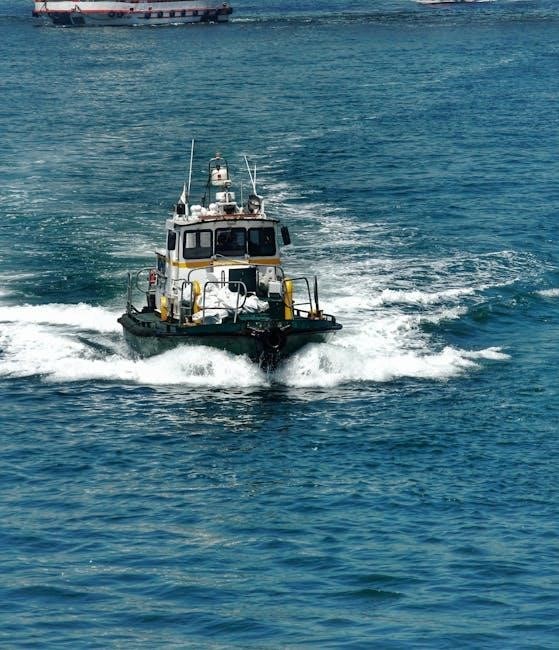
Channel 9 (156․450 MHz) serves as the primary boater calling channel, facilitating routine communications between vessels and shore facilities․ According to the US VHF Marine Frequency List PDF, it’s designated for both commercial and non-commercial use, making it a versatile tool for recreational boaters․ This channel is ideal for hailing marinas, requesting bridge openings, or coordinating rendezvous with other boats․
Unlike Channel 16, which is strictly for emergencies, Channel 9 is intended for non-urgent communications․ However, it’s important to keep transmissions brief and professional, respecting the airtime of other users․ Excessive chatter or lengthy conversations can impede important messages․
The PDF highlights that while Channel 9 is widely used, it’s not a substitute for dedicated commercial channels when conducting business․ Mariners should always verify the appropriate channel for specific commercial interactions․ Responsible use of Channel 9 ensures clear communication and contributes to a safer boating environment for everyone․
Commercial Channels: VHF Frequencies for Business
Numerous VHF frequencies are specifically allocated for commercial maritime operations, as detailed in the US VHF Marine Frequency List PDF․ Channels 7A (156․350 MHz), 8 (156;400 MHz), 10 (156․500 MHz), 18A (156․900 MHz), and 19A (156․950 MHz) are primarily designated for commercial communications between vessels and shore-based businesses․ These channels support a wide range of activities, including cargo handling, passenger transport, and vessel services․
The PDF also lists duplex channels, such as Channel 20 (157․000 MHz transmit/161․600 MHz receive), designed for private, two-way communication between specific parties․ These are often used for direct communication between a vessel and its management company or a pilot service․
It’s crucial for commercial operators to utilize the correct frequencies to avoid interference and ensure efficient operations․ The frequency list provides a comprehensive guide, and adherence to these guidelines is essential for maintaining clear and reliable communication within the maritime industry․
Port Operations and Vessel Traffic Services (VTS) Channels
Dedicated VHF frequencies facilitate crucial communication for port operations and Vessel Traffic Services (VTS), as outlined in the US VHF Marine Frequency List PDF․ Channels 1A (156․050 MHz), 5A (156․250 MHz), 12 (156․600 MHz), and 14 (156․700 MHz) are commonly used for coordinating vessel movements within port limits and managing vessel traffic in busy waterways․
Specifically, Channel 1A is designated for Port Operations and VTS in the New Orleans/Lower Mississippi region, while 5A serves Houston, New Orleans, and Seattle․ These channels enable communication between vessels, harbor pilots, tugs, and VTS operators, ensuring safe and efficient navigation․
Additionally, Channel 63A (156․175 MHz) also supports Port Operations and VTS in the New Orleans/Lower Mississippi area․ The PDF details these allocations, emphasizing the importance of utilizing the correct channel for specific geographic locations and operational needs․ Proper channel usage is vital for maintaining situational awareness and preventing collisions․
Intership Communication Channels
VHF marine radio provides dedicated channels for direct communication between vessels, crucial for navigational safety and coordination, as detailed in the US VHF Marine Frequency List PDF․ Channel 6 (156․300 MHz) is specifically designated for intership safety communications, allowing vessels to exchange information regarding potential hazards, course alterations, or intentions․
Furthermore, Channel 8 (156․400 MHz) is allocated for intership communication, though its use is generally limited to routine operational matters․ Channel 13 (156․650 MHz) is paramount for bridge-to-bridge navigation safety, requiring vessels over 20 meters in length to maintain a listening watch while in US waters․ This channel facilitates critical exchanges regarding passing arrangements and potential collision risks․
The PDF emphasizes the importance of clear and concise communication on these channels, utilizing standardized phraseology to avoid misunderstandings․ Effective intership communication, facilitated by these designated frequencies, significantly enhances maritime safety and prevents accidents at sea․
Non-Commercial Communication Channels
While VHF marine radio is widely used for commercial purposes, several channels are designated for non-commercial communications, as outlined in the US VHF Marine Frequency List PDF․ Channel 9 (156․450 MHz) serves as the primary boater calling channel, facilitating communication between recreational vessels, marinas, and local authorities․ It’s important to note this channel also permits commercial and non-commercial use, requiring careful monitoring․
Channels 24, 25, 26, 27, and 28 (157․200 – 157․400 MHz transmit, 161․800 – 162․000 MHz receive) are allocated for public correspondence, typically handled through a marine operator․ These channels allow individuals to make phone calls to shore or other vessels via a third-party service․
The PDF clarifies that these non-commercial channels should be used responsibly, prioritizing safety and avoiding unnecessary congestion․ Maintaining brevity and clarity is crucial, especially on Channel 9, to ensure essential communications aren’t hindered․ Responsible use ensures these channels remain valuable resources for the boating community․
Duplex Channels: For Private Communication
Duplex channels on VHF marine radio offer a distinct advantage: simultaneous transmission and reception, enabling private conversations without interrupting other users․ The US VHF Marine Frequency List PDF details several duplex channels, primarily within the 157 MHz range․ Channel 20 (157․000 MHz transmit, 161․600 MHz receive) is specifically designated for port operations and is a duplex channel․
These channels require a radio equipped with duplex capability, meaning it can transmit and receive on different frequencies simultaneously․ Unlike simplex channels where users take turns speaking, duplex allows for a continuous conversation, similar to a telephone call․ This is particularly useful for detailed discussions regarding docking maneuvers or logistical arrangements․
The PDF emphasizes that while duplex channels offer privacy, they should still be used responsibly and not for broadcasting general information․ Proper channel selection and adherence to maritime communication etiquette are essential for maintaining clear and efficient communication within the boating community․
U․S․ Coast Guard Channels
The U․S․ Coast Guard (USCG) utilizes specific VHF marine channels for essential operations and broadcasts, as detailed in the US VHF Marine Frequency List PDF․ Channel 21A (157․050 MHz) is exclusively reserved for USCG communications, serving as a dedicated frequency for official transmissions․ Additionally, Channel 22A (157․100 MHz) is crucial, broadcasting Maritime Safety Information (MSI) announced initially on Channel 16․
Channel 23A (157․150 MHz) is another frequency solely for USCG use, facilitating internal communications and operational coordination․ Mariners should refrain from transmitting on these channels to avoid interference with critical Coast Guard activities․ The PDF highlights the importance of monitoring Channel 16 for initial broadcasts that may direct attention to Channel 22A for detailed safety information․
Understanding these dedicated USCG channels is vital for mariners, ensuring they receive important navigational warnings, search and rescue updates, and other crucial maritime safety announcements․ Maintaining awareness of these frequencies contributes significantly to overall safety at sea․
Environmental Channels: Receiving Important Broadcasts
VHF marine radio provides access to vital environmental broadcasts, crucial for mariner awareness, as outlined in the US VHF Marine Frequency List PDF․ Channel 15 (156․750 MHz) is designated as an environmental channel, functioning as a receive-only frequency․ This channel is specifically utilized by Class C Emergency Position Indicating Radio Beacons (EPIRBs) to transmit distress signals and related information․
While mariners cannot transmit on Channel 15, continuous monitoring is recommended to promptly receive alerts from activated EPIRBs․ These broadcasts often contain details regarding the nature of the emergency and the location of the distressed vessel․ The PDF emphasizes the importance of understanding that Channel 15 is strictly for receiving these critical environmental alerts․

Staying informed through these environmental channels enhances situational awareness and allows mariners to assist in search and rescue operations or avoid areas affected by maritime incidents․ Regular monitoring of Channel 15 is a proactive safety measure for all vessels․

Specific Frequency Listings: A Detailed Breakdown
The US VHF Marine Frequency List PDF provides a comprehensive table detailing specific channel assignments and their designated uses․ Channel 1A (156․050 MHz transmit/receive) is allocated for Port Operations and Vessel Traffic Services (VTS), specifically for the New Orleans/Lower Mississippi region․ Channel 6 (156․300 MHz) serves as an Intership Safety channel, facilitating communication between vessels․
Channel 9 (156․450 MHz) is the designated Boater Calling channel, used for both commercial and non-commercial communications․ Channel 13 (156․650 MHz) is dedicated to Intership Navigation Safety (Bridge-to-Bridge) and requires a listening watch for ships exceeding 20 meters in length within US waters․ Channel 16 (156․800 MHz) remains the International Distress, Safety, and Calling channel, requiring continuous monitoring by vessels and the US Coast Guard․
The PDF further details duplex channels, USCG channels, and commercial frequencies, offering a complete reference for VHF radio operation․ Understanding these specific frequency assignments is vital for safe and efficient maritime communication․
Channel 1A: Port Operations and VTS (New Orleans/Lower Mississippi)
Channel 1A, operating on 156․050 MHz for both transmit and receive, is specifically designated for Port Operations and Vessel Traffic Services (VTS) within the New Orleans/Lower Mississippi region․ As detailed in the US VHF Marine Frequency List PDF, this channel facilitates crucial communication between vessels and shore-based traffic control․ It’s essential for coordinating vessel movements, ensuring safe navigation, and managing port activities within this geographically defined area․

Mariners operating in the vicinity of New Orleans and along the Lower Mississippi River should maintain awareness of Channel 1A and utilize it for reporting position, requesting docking instructions, and receiving navigational information from VTS․ Proper use of this channel contributes significantly to preventing collisions and maintaining efficient maritime traffic flow․ The PDF emphasizes its importance for commercial traffic and coordinated port maneuvers․
Understanding the specific regional application of Channel 1A, as outlined in the frequency list, is paramount for safe and compliant vessel operation․
Channel 6: Intership Safety
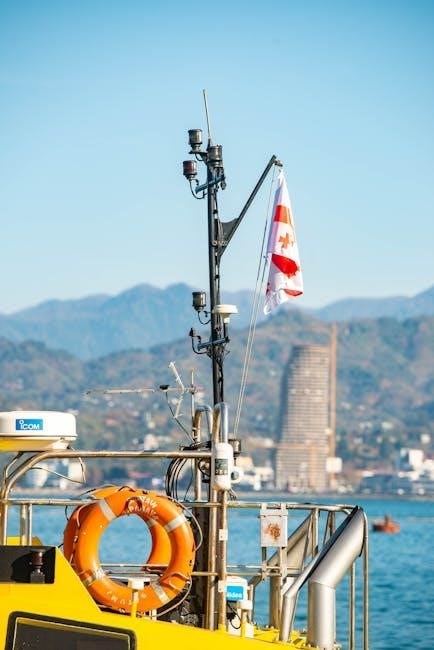
Channel 6, broadcasting on 156․300 MHz for both transmission and reception, is dedicated to intership safety communications․ According to the US VHF Marine Frequency List PDF, this channel serves as a vital link for vessels to exchange critical safety-related information while underway․ This includes broadcasting warnings about hazards, coordinating search and rescue operations, and sharing navigational concerns that may affect other ships in the vicinity․

Mariners are encouraged to use Channel 6 to proactively communicate potential dangers, such as drifting debris, unexpected weather changes, or malfunctioning equipment․ It’s a crucial platform for fostering a collaborative safety environment at sea․ The PDF highlights its importance for vessels to maintain a listening watch on this channel, particularly during periods of reduced visibility or increased traffic density․
Effective utilization of Channel 6, as detailed in the frequency list, directly contributes to preventing accidents and ensuring the safety of all mariners․
Channel 13: Bridge-to-Bridge Navigation Safety
Channel 13, operating on 156․650 MHz for both transmitting and receiving, is specifically designated for bridge-to-bridge navigation safety communications․ The US VHF Marine Frequency List PDF clearly states that ships greater than 20 meters in length are required to maintain a continuous listening watch on this channel while navigating in US waters․ This ensures immediate communication regarding potential collision risks and navigational hazards․
This channel facilitates the exchange of information between vessels concerning their intended movements, relative positions, and any observed obstructions․ It’s a proactive measure to prevent misunderstandings and ensure safe passing maneuvers, particularly in congested waterways or areas with limited visibility․ The PDF emphasizes the importance of concise and clear communication on Channel 13․
Adherence to this protocol, as outlined in the frequency list, is paramount for maintaining navigational safety and preventing maritime incidents․ Regular monitoring of Channel 13 is a fundamental practice for responsible vessel operation․
Accessing VHF Marine Frequency Lists in PDF Format
Obtaining the official US VHF Marine Frequency List in PDF format is essential for all mariners․ This document, published by the AKWG (Atlantic, Gulf, and Caribbean Regions), provides a comprehensive and authoritative reference for all VHF marine radio channels and their designated uses․ The most recent version, accessible via this link, details frequencies, transmit/receive pairings, and specific communication types․
The PDF format allows for easy download, storage, and offline access, making it a practical resource for use onboard vessels without relying on internet connectivity․ It’s crucial to ensure you have the latest version, as frequencies and allocations can be updated periodically․ The document, originally dated March 1, 2009, with updates through March 30, 2020, is a vital tool for legal and safe operation․
Regularly reviewing this PDF ensures compliance with regulations and promotes effective communication on the marine radio, contributing to overall maritime safety․